

Sport, wellbeing and peace: SYCP webinar marks World Mental Health Day
Every young person deserves a place where they feel “safe, valued, connected and supported” according to contributors to the ninth Southeast Asia Sport and Youth Crime Prevention (SYCP) webinar, held to mark World Mental Health Day during October 2026.
Reflecting the global day’s 2026 theme of ‘Lived Experiences Heard: Real Voices, Real Change’ the webinar brought together youth leaders, sport practitioners, educators and development partners from across Southeast Asia and further afield, to explore how sport and supportive relationships can strengthen young people’s mental wellbeing and contribute to peaceful communities.
OPPORTUNITIES
SYCP was initiated by the Agence Française de développement (AFD) and the International Olympic Committee (IOC), and Melanie Brin, from the AFD Philippines Country Office, set the scene for the webinar by highlighting sport’s ability to bring people together across different backgrounds, and create opportunities for friendship, connection and belonging at a time when many young people experience loneliness and social isolation.
These ideas were then brought to life through two personal stories from Lao PDR and Thailand.
Eight years ago, Sirisay Vongsamphanh was a shy student preparing to speak on stage for the first time. Afraid of making mistakes and being judged, he lacked confidence until a teacher encouraged him to focus on what he could contribute.

Today, Sirisay is a Global Partnership for Education Youth Leader from Lao PDR and co-founder of ResiLeads Laos, a youth-led initiative promoting resilience and community engagement.
Through volunteering, public speaking and community projects, he discovered his abilities and developed the confidence to support others. He now uses activities including art, dance, volunteering and sport to help young people express their feelings, manage stress, build self-esteem and develop supportive relationships.
On the webinar, he also highlighted pressures facing young people, from academic expectations and social media comparisons to fear of failure and uncertainty about the future. His message was clear: young people need to be heard, encouraged and given opportunities to lead.
CHANGES
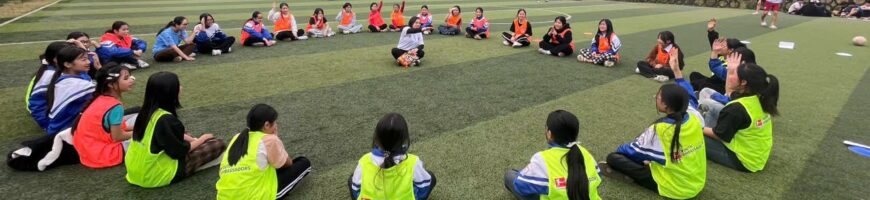
In Thailand’s Deep South, Ilham Hayeeyama, from Kenan Foundation Asia, has witnessed similar changes through the charity’s Play4Change programme, which works with 20 Islamic schools using Pencak Silat, a traditional Southeast Asian martial art.
She shared how students had begun asking their teacher: “Are we training this week?”
For Ilham, the question meant more than enthusiasm for sport. It suggested that students had found something to enjoy, look forward to and feel part of. In communities affected by long-standing conflict and unequal access to opportunities, Pencak Silat is helping young people develop skills, friendships and confidence.

Some students who had only recently started training were already performing at school events, while others had found the courage to enter provincial competitions for the first time.
Like Sirisay’s first experience of speaking on stage, these moments were about more than performance. They represented the courage to try, recognition for effort and growing belief in their own abilities.
Despite their different experiences, both speakers emphasised the importance of encouragement, inclusion and learning from setbacks. Sirisay spoke about accepting failure and finding the strength to try again, while Ilham urged coaches and teachers to value participation and effort, regardless of whether young people win medals.
RESPECTED
However, Ilham stressed that “sport doesn’t automatically create peace”. Bringing young people together is only the starting point. They must also feel safe, included and respected, with opportunities to cooperate, build relationships and learn from one another.
“Every young person deserves a place where they feel safe, valued, connected and supported,” she noted.
These everyday experiences can nurture empathy, trust and mutual understanding – important foundations for peaceful communities.
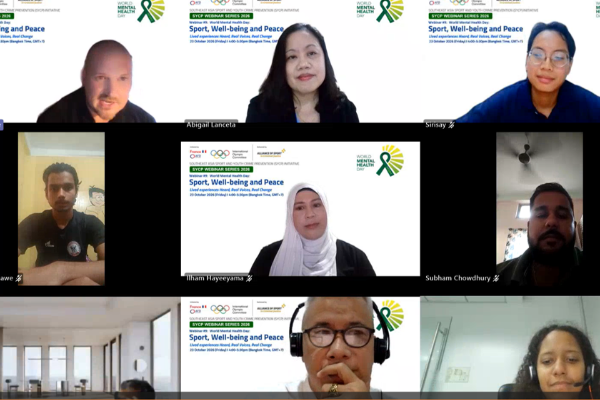
Later in the webinar, participants from India and the Philippines shared perspectives on engaging vulnerable young people, respecting individual interests and helping young athletes cope with disappointment and pressure. The discussion reinforced the importance of listening to young people and creating environments where they feel accepted.
Concluding the webinar James Mapstone, Chief Executive of the Alliance of Sport which leads delivery of the SYCP Initiative, highlighted the importance of positive role models, resilience, self-care and safe spaces, recognising sport’s potential to develop life skills and meaningful relationships.
RELATIONSHIPS
The speakers’ experiences offered a powerful reminder that positive change does not always begin with a major intervention. Sometimes, it starts with a teacher’s encouraging words, the courage to stand on stage or the anticipation of another training session. Such moments can build confidence, strengthen relationships and foster belonging.
The SYCP Webinar Series provides a regional platform for sharing practical experiences and strengthening sport’s contribution to youth development, mental wellbeing, peacebuilding and crime prevention.
Read more about the Southeast Asia Sport and Youth Crime Prevention (SYCP) Initiative.