
Building trust and preventing youth crime through sport and drug awareness on the Thailand-Myanmar border
In vulnerable migrant communities along the Thailand-Myanmar border, a long-term community programme is demonstrating how sport, trust-building and drug awareness can work together to prevent youth crime and support healthier futures for young people.
Led by PlayOnside Foundation Thailand, the initiative forms part of the Southeast Asia Sport and Youth Crime Prevention (SYCP) Initiative, which was initiated by the International Olympic Committee (IOC) and the Agence française de développement (AFD). Across Southeast Asia, the SYCP Initiative uses sport as a platform for youth engagement, crime prevention and social inclusion, particularly in communities facing poverty, displacement and limited access to services.
For PlayOnside, the work is focused on migrant and undocumented communities living in remote border areas, where many families face insecurity, unstable housing and fear of authorities due to their immigration status.
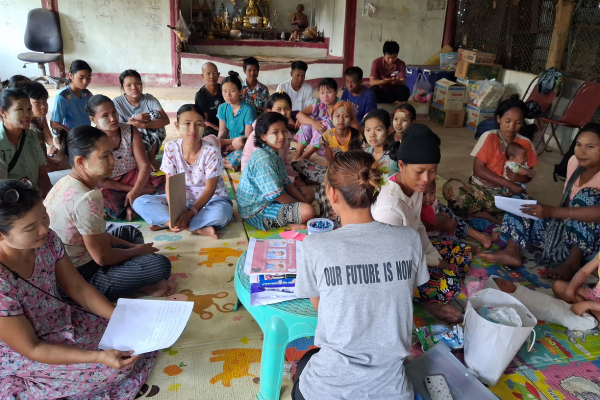
“The communities we work with are very vulnerable,” explained Naw Laura Htway, Programme Manager for PlayOnside. “Many families live in temporary shelters or tents, and a lot of people do not have documents. Sometimes they avoid the police because they are undocumented.”
PlayOnside has worked within these communities for nearly a decade, building relationships through regular activities such as football sessions, movie nights, arts and crafts programmes, and summer schools. Over time, those trusted relationships revealed growing concerns around substance abuse, alcohol dependency, domestic violence and mental health struggles affecting both adults and young people.
“We heard a lot about these issues from the community itself,” Laura said. “There were cases where alcohol abuse led to gender-based violence at home, and we also experienced situations where young people struggled with severe emotional distress linked to substance use.”

In response, PlayOnside introduced targeted drug awareness sessions for both parents and children. The programme focuses not only on explaining the dangers of substance abuse, but also on helping families understand how addiction affects relationships, wellbeing, violence and long-term opportunities for young people.
For Laura, involving both parents and children is essential.
“Sometimes parents are not aware that their own behaviour influences their children,” she explained. “In some communities, parents even ask children to buy alcohol for them. So the first step is raising awareness about how parents’ actions affect young people.”
The organisation also recognises that prevention is a gradual process rather than an immediate solution.

“We cannot expect one awareness session to change everything,” said Laura. “We have to start step by step, create positive behaviours, and give people time.”
Importantly, the sessions are delivered in languages participants understand, particularly Burmese, ensuring the information is accessible and culturally relevant.
Alongside awareness training, sport plays a central role in the programme’s prevention strategy. Football sessions provide young people with safe, structured activities that encourage teamwork, discipline, leadership and emotional control. Coaches also use post-match discussions to talk about life skills, peer pressure, anger management, and increasingly, substance abuse prevention.
“We will say ‘If you use a lot of drugs, you will not be able to play football’,” Laura explained. “Sport helps young people understand the real impact these choices can have on their lives.”
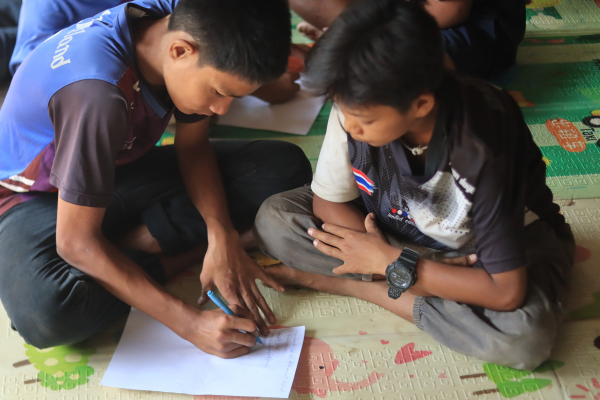
PlayOnside staff believe the combination of trusted relationships and positive alternatives is what makes the programme effective. Rather than simply telling young people what not to do, the organisation creates environments where healthier choices feel achievable and meaningful.
“Football, movie nights and activities are alternatives to substance abuse,” said Ole Gunnar Michelsen, Laura’s fellow Programme Manager. “The awareness sessions are important, but they work because they come from people the community already trusts.”
The initiative also highlights the close connection between substance abuse and youth crime. According to PlayOnside staff, addiction can lead to theft, violence, conflict and exploitation, particularly in communities where poverty and instability are already widespread.
“When young people become addicted, they often need money to continue,” Laura said. “That can create fights, stealing or other harmful behaviours.”

As the SYCP Initiative continues, PlayOnside hopes its experiences can contribute to wider learning among the wider network of partners across Southeast Asia. For Laura, the most important lesson is simple but powerful.
“You have to be patient with communities,” she said. “First, you must build trust. If people do not trust you, they will not listen to you. Real change happens slowly, step by step.”
Through sport, trust and community engagement, PlayOnside is showing how prevention-focused approaches can help vulnerable young people build safer, healthier futures before crime and addiction take hold.
Read more about the Southeast Asia Sport and Youth Crime Prevention (SYCP) Initiative.