


From tradition to transformation: How Pencak Silat is empowering youth in Southern Thailand
To mark the International Day of Sport for Development and Peace on 6 April 2026, projects supported by the Southeast Asia Sport and Youth Crime Prevention (SYCP) Initiative have been showcasing how their work directly supports the UN Sustainable Development Goals (SDGs). In this article, we examine how the martial art of Pencak Silat is being used to contribute to SDG 16 (peace, justice and strong institutions).
6 April marks the International Day of Sport for Development and Peace (IDSDP), celebrating how sport can empower young people and help to build safer, more resilient communities. The Play4Change project from Kenan Foundation Asia aims to engage and empower youth, contributing to strategies to counter extremist radicalisation, promote positive self-identity, improve social skills, increase educational and employment opportunities, and maintain peace in Thailand’s ‘Deep South’.
In particular, it aligns to ‘secondary intervention’ in the SYCP Initiative’s three-tiered approach to youth crime prevention, targeting youth at increased risk of offending and using sport to address root causes, strengthen protective factors and support positive behavioural choices. Through this approach, the initiative is creating safe spaces where young people can grow, build confidence and find pathways to a positive future.
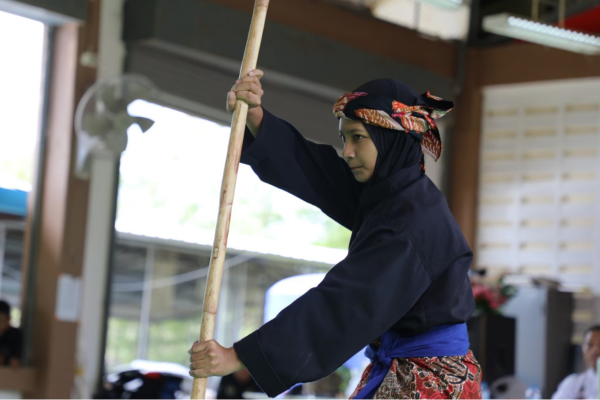
Play4Change works with young people aged 13 to 19 across Pattani, Yala, Narathiwat and parts of Songkhla Province. The project is designed to provide inclusive and supportive environments where youth can strengthen their self-confidence, mental resilience and social skills. For many participants, these spaces offer something they may not always find elsewhere: stability, a sense of belonging and belief in their own potential.
At the heart of Play4Change is Pencak Silat, a traditional martial art of the region. By integrating sport with life skills and leadership activities, the project encourages young people to take pride in their cultural identity while learning discipline, respect and collaboration. The martial art becomes more than a physical activity; it is a bridge connecting generations and fostering community cohesion, particularly important in the southern border region where identity and belonging are central to young people’s lives.
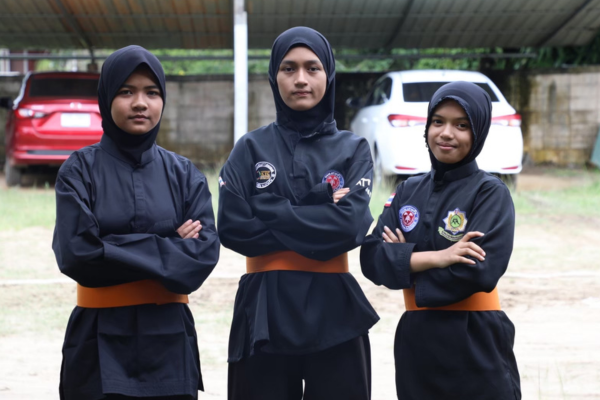
“Pencak Silat, as I have come to know it, is more than just a sport or a form of combat,” said Rutchakarun Sawaddee, Play4Change project co-ordinator. “It is a living expression of culture in motion. It is a spirit passed on through the body. And it is the living story of Malay communities across Southeast Asia.”
Youth leadership is also a core component of the project. Young people take ownership of Pencak Silat clubs, leading activities and developing communication and organisational skills. Local coaches are trained to deliver both sports and life skills education, ensuring that knowledge and leadership capacity remain embedded in the community. This combination of mentorship and empowerment helps participants become role models for their peers and positive contributors to their communities.
While sport is the entry point, Play4Change goes further by supporting continued education and career pathways. Working with 200 young people from 20 schools – including Islamic private schools – the project emphasises that reducing the risk of violence is not just about what happens on the field, but also about expanding opportunities off it. Families, schools and local institutions are engaged in the process, building trust and fostering a shared responsibility for youth development.
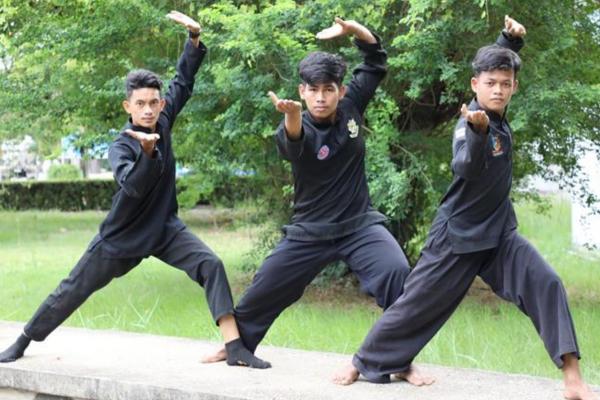
Ilham Hayeeyama, Play4Change project manager, explained: “Pencak Silat creates a safe and respectful space where girls can dress in line with their religious values and participate confidently, both in everyday life and in competition.”
Running from November 2025 to April 2027, Play4Change demonstrates how sport can be a powerful tool for peace, inclusion and empowerment. On this International Day of Sport for Development and Peace, the initiative serves as a reminder that whether on a global stage or in the villages of southern Thailand, sport can transform lives, nurture potential and strengthen communities.